Experience
Start with a simulation, challenge or live scenario that surfaces real behaviour.
People change when they can see their own patterns, make sense of them and practise a different response in real work. That is the architecture behind every Change+ journey.
The loop repeats across workshops and longer journeys, so a useful idea has more than one chance to become a leadership habit.
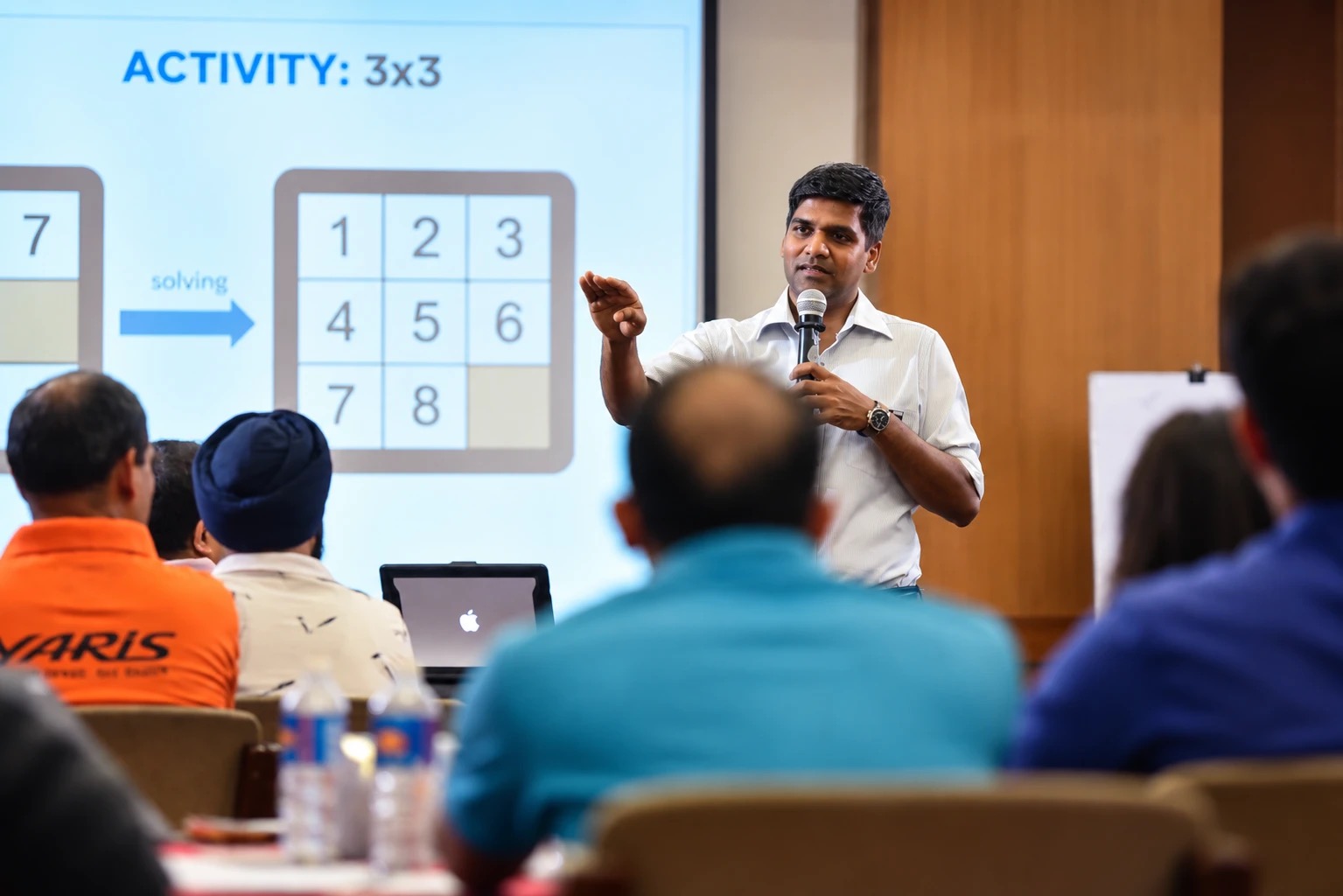
Start with a simulation, challenge or live scenario that surfaces real behaviour.
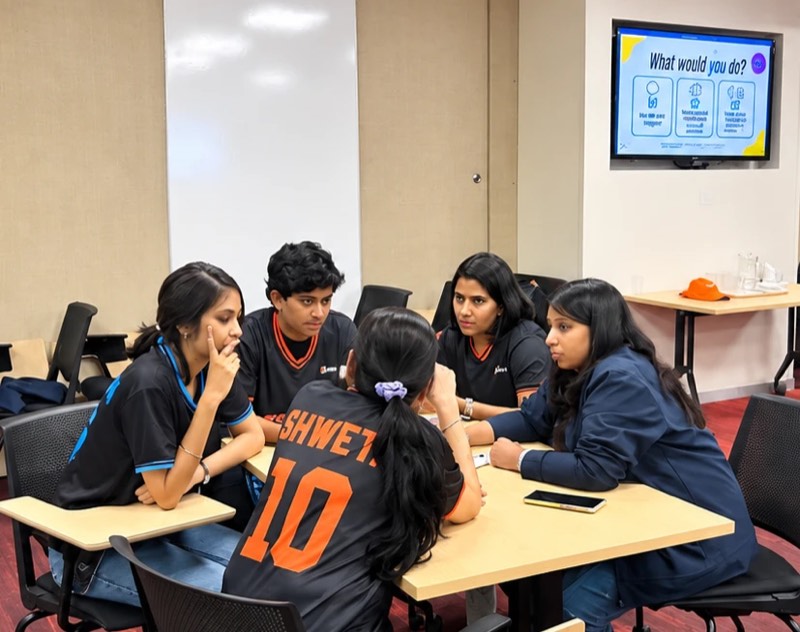
Step back from the activity and notice what happened, what helped and what got in the way.
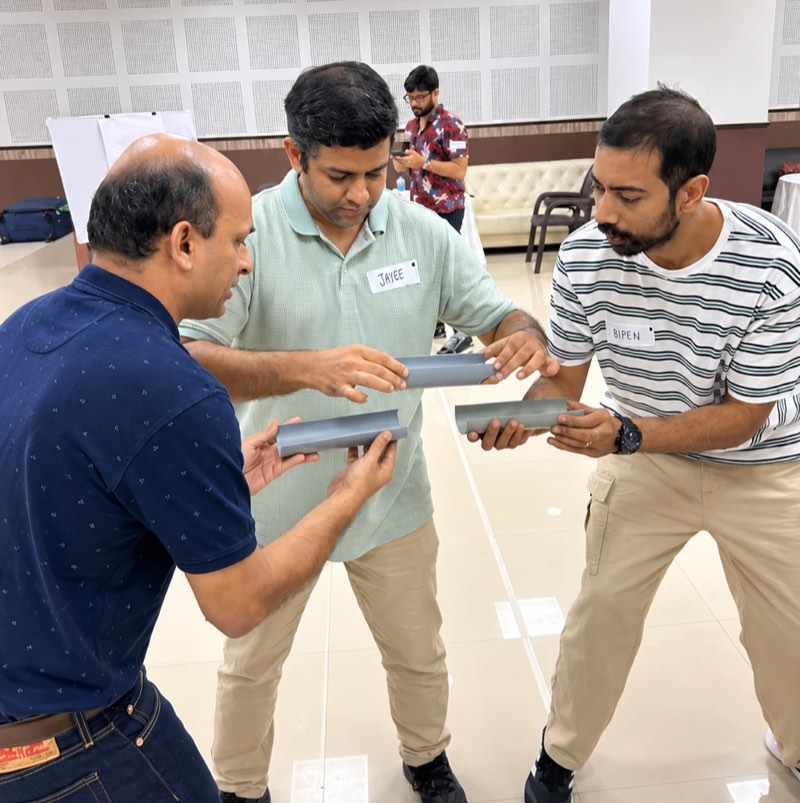
Connect the experience to a practical model leaders can recall when the work gets difficult.
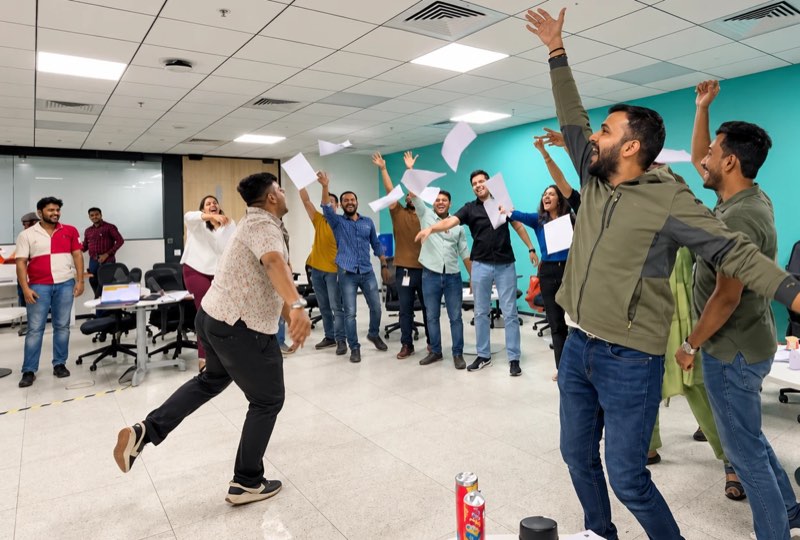
Choose a specific action, use it at work and return with evidence for the next round of learning.
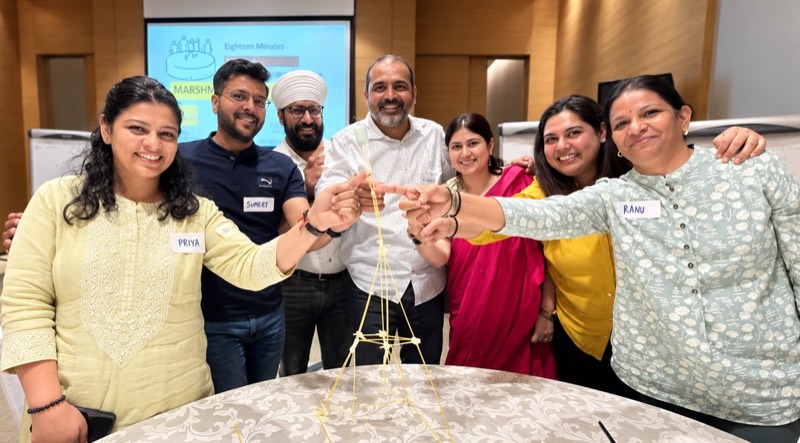
They remember the tower that would not stand, the channel that would not reach, the moment their team stopped talking over each other. Enjoyment is not the point of an experiential session — it is the mechanism. People who are engaged do the work, and people who do the work keep it.
more likely to fail when taught by lecture instead of by doing.

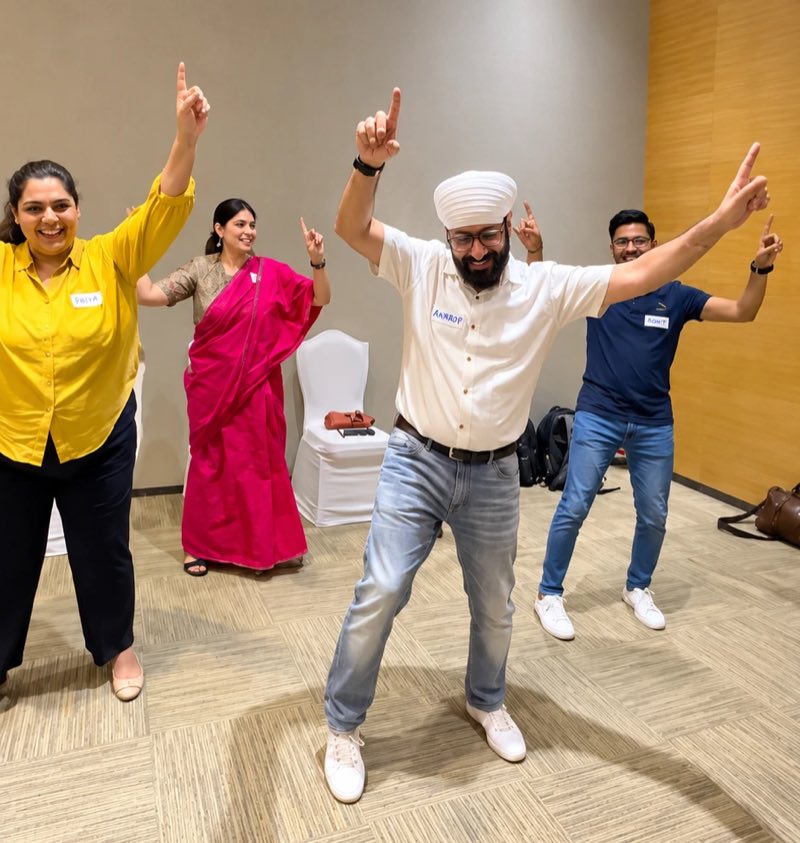
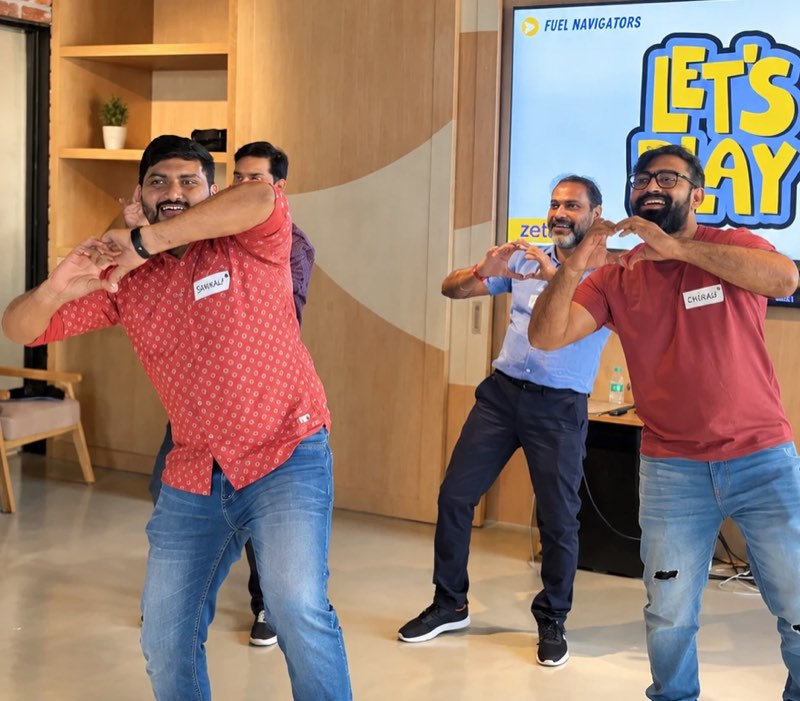
Every choice in the experience is made to improve what leaders actually do after the session.
Diagnosis and stakeholder input keep the journey tied to the organisation’s priorities.
Leaders practise the skill, receive feedback and try again while the learning is live.
Micro-learning, manager involvement and application challenges sustain momentum.
High energy and careful reflection create enough safety for honest learning.
Want this designed around your business?
We agree the signals at the start, then look beyond attendance and session ratings to what leaders apply and what other people can observe.
Did the experience engage people and feel relevant to their work?
Are leaders using the skill in live situations after the session?
Can managers, peers and teams see a meaningful difference?
Does the shift connect to the people and operating data already available?
We use instruments when they make the conversation clearer, never as a substitute for understanding the context.
A self-awareness instrument that helps managers understand their behavioural style and adapt how they work with others.
A five-minute diagnostic that identifies where the manager layer is losing time and momentum.
Take the scorecard ↗Book a 25-minute discovery call. We’ll pressure-test the leadership gap and the evidence that would show meaningful progress.